Preparing the cargo for palletized shipment
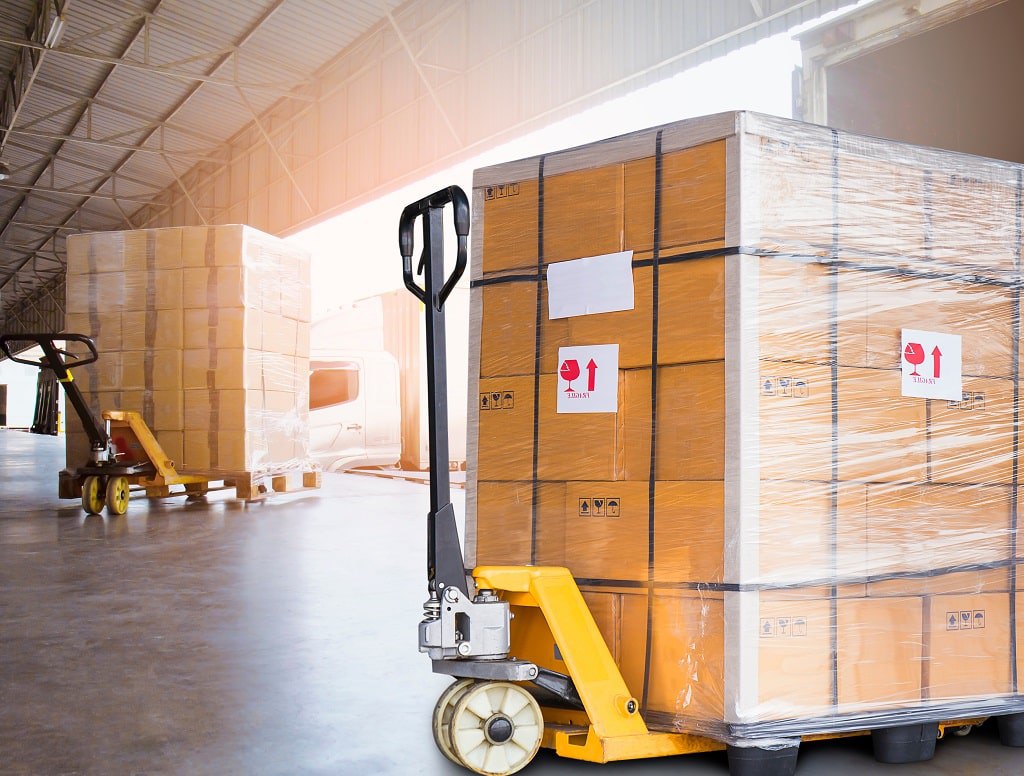
To prepare the cargo for palletized shipment, it’s important to properly stack the goods, distribute the weight evenly, following the “light at the top, heavy at the bottom” principle, and ensure that the cargo doesn’t extend beyond the edges of the pallet.
After stacking, secure the cargo with stretch film or straps, and then apply the shipping label. Most importantly, mark the pallet, so it can be identified when unloading from the container, transferring to a temporary storage warehouse, and then loading onto the truck. Typically, the pallet with cargo is loaded several times by forklift before reaching the end customer, so the markings must be visible to the naked eye.
Steps for preparing the cargo
- Prepare the pallet:
Ensure the pallet is suitable for the type of cargo and its load capacity. There are two types of pallets: the European 1.20 x 0.80 m (with a safe working load of up to 1.5 tons) and the American 1.2 x 1 m (with a safe working load of up to 2 tons). Inspect the pallet carefully – it should be made of good new boards, assembled well, and the boards should fit together perfectly. The safety of the cargo depends from the pallet; the forklift loads and unloads the pallet entirely from it.
- Stack the goods:
- Place heavier items on the lower tiers and lighter items on the upper tiers. This is necessary to prevent heavier items from deforming lighter items, damaging their value.
- Group items so that they do not extend beyond the edges of the pallet to prevent them from shifting and being damaged.
- Try to create a stable structure with the center of gravity aligned with the center of the pallet. When constructing the structure, try to keep the center of gravity on the lower tier near the pallet.
- Do not stack the cargo in a pyramid. Boxes should be stacked on top of each other and ideally have a rectangular shape with straight edges, so it’s common to choose cardboard boxes of the same size when packing goods. Another important detail: there should be no empty space in the boxes.
- Securing the cargo:
- Wrap the pallet in several layers of stretch film or shrink wrap to secure the goods and protect them from moisture and dust.
- For particularly heavy or impact-sensitive cargo, you can use lashing straps (plastic or metal).
- Apply labels:
- Place shipping labels on the cargo, which contain information about the contents, storage, and shipping conditions. Also, label a cargo with the separate label.
- Maintain of the dimensions:
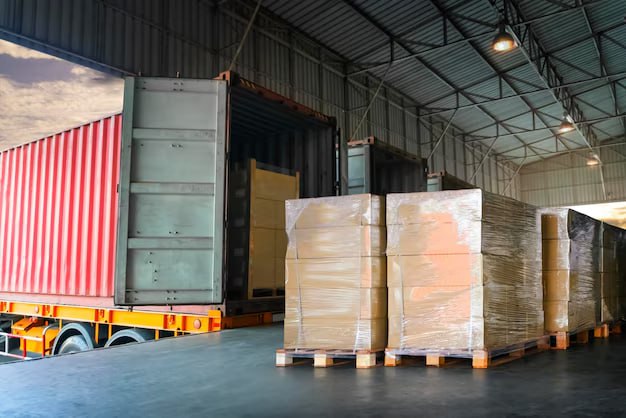
- Ensure the total height of the load, including the pallet (which can be 15-17 cm high), does not exceed established standards (often 1.8 meters). This is necessary to ensure the pallet fits into the truck without disassembling.
Additional recommendations
- Consider the type of load:
For fragile or pressure-sensitive materials, use additional protective packaging, such as bubble wrap or thick cardboard spacers between rows.
- Check security:
After packing, ensure the entire structure is stable and does not shift.
- Follow requirements:
Check palletizing requirements with Solar Eagle Group, as individual regulations may apply, especially for international shipments. All aspects of preparing and transporting palletized loads by sea or road require the care and professionalism of our logistics specialists and our shipping agents Worldwide.