Alibaba
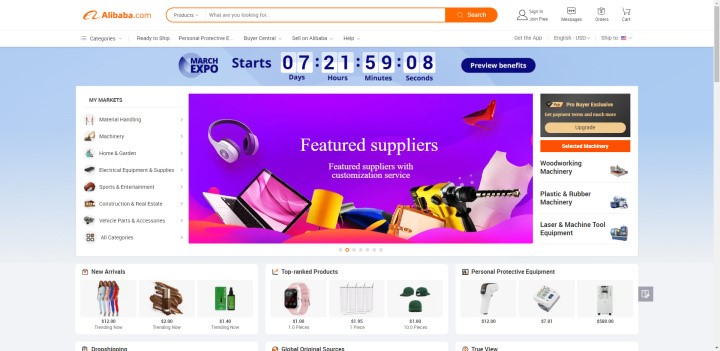
Alibaba Group (кит. 阿里巴巴集团) — китайская компания, работающая в сфере интернет-коммерции, владелец веб-порталов Taobao.com, Tmall, Alibaba.com, AliExpress и ряда других. Основными видами деятельности являются торговые операции между компаниями по схеме B2B и розничная онлайн-торговля; также владеет одной из крупнейших в мире инфраструктур для облачных вычислений, имеет активы в сфере СМИ и индустрии развлечений. Компания действует, прежде всего, в КНР. Официально зарегистрирована на Каймановых островах, штаб-квартира расположена в Ханчжоу.
В руководящий состав компании входят Джек Ма — основатель и до 2013 г. руководитель), Мэгги У (глава совета директоров), Майкл Эванс (руководитель компании).
История успеха компании Alibaba
28 июня 1999 года Джек Ма с 17 студентами в Ханчжоу основал Alibaba.com в своей квартире. Название компании произошло от персонажа Али-Бабы из сборника ближневосточных народных сказок «Тысяча и одна ночь» из-за его универсальной привлекательности. «Однажды я был в Сан-Франциско в кофейне и подумал, что Alibaba — хорошее имя. А потом подошла официантка, и я спросил, что она знает об Алибабе? Ее ответ был следующим: «Сезам, откройся». И я сказал cебе: да, это хорошее название! Затем я вышел на улицу, нашел 30 человек и спросил их: «Вы знаете Алибабу?» Люди из Индии, Германии, Япония и Китая. Все они знали Алибабу: Алибаба – сезам, откройся. Алибаба и 40 разбойников. Алибаба — добрый, умный и деловой человек. Таковыми были их ответы. В качестве логотипа Alibaba использует строчную букву «а» с узнаваемым человеческим лицом внутри. Предположительно это лицо довольного клиента. Под эмблемой находится надпись «Alibaba.com». Для оформления логотипа дизайнеры компании использовали ярко-оранжевый цвет.
Изначально был создан интернет-магазин Alibaba.com., он был запланирован как площадка, на которой могли бы торговать мелкие и средние виды бизнеса. После запуска интернет-магазина была создана сама компания Alibaba Group, но дела в ней шли не очень. В конце 1999 года Джеку Ма удалось привлечь инвесторов из американских Goldman Sachs и SoftBank, японской телекоммуникационной компании, получив 25 млн долларов на расширение бизнеса. В 2002 году Alibaba.com получила первую прибыль (комиссионные от сделок начали превышать расходы на развитие инфраструктуры)! Проект получилось не только сохранить, но и продолжать его развивать.
Имея более 1 млн. пользователей, компания решила расширять свой бизнес. Так в 2003 г был запущен аукцион TaoBao, в 2004 г. платежный сервис Alipay, а также площадка tmall. Позже, видя успех этих площадок, появилась идея создания Aliexpress. Джек Ма стремился заполучить на китайском рынке как минимум его большую часть, а как максимум, — весь рынок, так как в то время уже всемирно известный маркетплейс eBay заявил о ближайших планах продвигаться на азиатский рынок. Чтобы повысить свою конкурентоспособность, Alibaba разрешила продавцам бесплатно регистрироваться на своих площадках.
eBay, увидев в Alibaba серьезного конкурента, купила компанию EachNet — на то время это был один из весомых игроков на китайском рынке e-commerce. Благодаря приобретению EachNet, eBay заняла практически 85% рынка. На первый взгляд, казалось, что eBay окончательно стала лидером, но это было не так. В 2004 году Alibaba Group, выпустив сервис Alipay, нанесла серьезный урон бизнесу eBay. В КНР были запрещены онлайн-платежи, однако предприниматель все равно разработал такой сервис и выпустил его в поддержку своих платформ. Правительство КНР не только не препятствовало, но и поддержало Джека Ма. Помимо основной функции, сервис Alipay защищал деньги покупателей от мошенников. Параллельно у площадки Taobao вышел ряд новых и полезных опций, например, собственный мессенджер, который существенно упрощал обсуждение и саму покупку.
В 2005 г. Yahoo! приобрела 43% акций Alibaba, в будущем компания выкупит половину акций обратно. В 2009 г. было запущено дочернее предприятие Alibaba Cloud. Это был один из крупнейших облачных сервисов, который использовался как для нужд своих площадок, так и для продажи мощностей другим компаниям.
В 2010 году Alibaba Group запустила всемирно известную торговую площадку AliExpress. Изначально покупатели со всего мира могли приобрести товары только от китайских продавцов, но в дальнейшем эта политика была пересмотрена, на сегодняшний день тут торгуют продавцы со многих стран Мира.
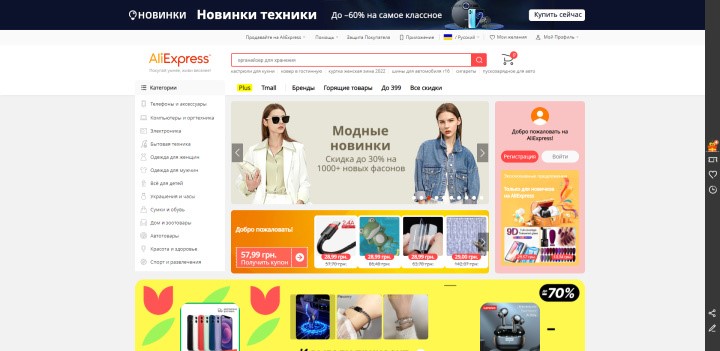
На начало 2011 г. на всех площадках Alibaba зарегистрировались более 65 млн. продавцов из 240 стран. В этом же году было принято решение разделить Taobao на Taobao Marketplace и Tmall. В 2013 г. планировалось открытие стационарных торговых точек в ТРЦ Wanda Plaza от компании Wanda Group. Но в последствии, от этой идеи пришлось отказаться. В этом же году Alibaba вместе с 8 другими компаниями создали логистическое предприятие Cainiao.
19 сентября 2014 года в результате первичного публичного размещения акций (IPO) Alibaba на Нью-Йоркской фондовой бирже было привлечено 25 млрд долларов, в результате чего рыночная стоимость компании составила 231 млрд долларов, что на тот момент стало крупнейшим IPO в мире. В размещении участвовало 35 банков, а ключевую роль играли шесть – Citigroup, Credit Suisse, Deutsche Bank, Goldman Sachs, JPMorgan Chase и Morgan Stanley (совместные букраннеры). В апреле 2016 года Alibaba купила за 1 млрд долларов контрольный пакет акций Lazada Group — сингапурской компании электронной коммерции, у которой были сайты в Индонезии, Малайзии, Филиппинах, Сингапуре, Таиланде и Вьетнаме.
В начале 2018 года из-за роста акций стоимость компании превысила 500 млрд. долларов. В этом же году компания приобрела сервис доставки еды. Также в этом же году руководство компании сообщило о запуске проекта по созданию беспилотных автомобилей, которые будут отвечать 4-му уровню безопасности автономного движения. Чтобы поддержать компанию, власти КНР на законодательном уровне закрепили регламент процесса производства и тестирования беспилотных авто.
В конце 2020 года Джек Ма критически отозвался о китайской финансовой системе и выступил за ее реформирование. Руководству КНР это не понравилось. Так начался конфликт Alibaba с властями КНР, который имел определенные последствия для компании. Так в начале 2021 г. государство оштрафовало компанию на 18,228 млрд. юаней (приблизительно 2,8 млрд долларов). за монополистическое поведение. Далее были и другие конфликты, вылившиеся в крупные финансовые потери. Всего за полтора года конфронтации с государством было потеряно 344 млрд долларов рыночной капитализации. Впоследствии отношения компании с властями наладились.
Интересные факты о компании Alibaba
- Alibaba Group вкладывает много средств в различные проекты, направленные на защиту окружающей среды, причем не только на территории КНР;
- По состоянию на конец 2021 г. в компании насчитывается более 95 тыс. сотрудников. Это гораздо больше, чем в Yahoo и Facebook вместе взятых;
- Неординарный подход Джека Ма к ведению бизнеса — основной залог успеха компании. Он не копировал поведение своих конкурентов на рынке, а действовал кардинально иначе;
- На начальном этапе создания компании только 4 из 17 человек разбирались в IT. Джек Ма, ориентированный на средний класс населения, который только осваивал интернет, отвергал порядка 90% предложенных ему разработок. Основная причина — если он не понял, то и другие пользователи, которые не разбираются в IT, не поймут.
На сегодняшний день компания имеет порядка 700 дочерних фирм, находящихся в КНР, и 520 компаний в других странах Мира.