The impact of the war in Iran on maritime logistics and logistics in general.
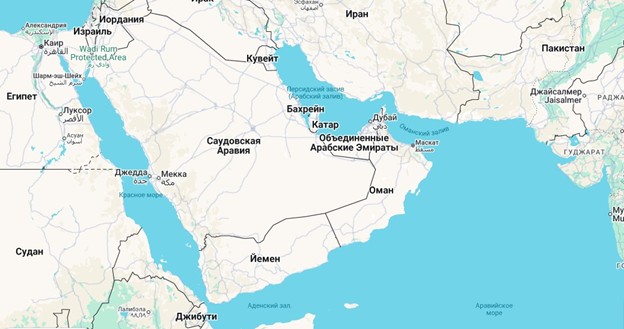
The war in Iran, which began on Saturday, will lead to a critical disruption of maritime logistics in the Middle East: the blockade of the Strait of Hormuz will cut off up to 30% of global seaborne oil exports, causing a sharp rise in freight and insurance prices. Global shipping lines like Maersk are already rerouting ships from Southeast Asia to bypass the Arabian Sea and the Gulf of Aden (which have become extremely dangerous due to the large concentration of US warships and the Iranian drones and missiles flying at them) via the Cape of Good Hope. This will increase cargo delivery times by 2-3 weeks and increase shipping costs to northern European ports (Hamburg, Gdynia) by 20-40%.
Key impacts on maritime logistics:
• Strait of Hormuz blockade: A key route through which much of the Persian Gulf’s oil passes could be closed, shaping the largest crisis since the “tanker war” of the 1980s.
• Rising prices and risks: Attacks on tankers (drones/missiles) will lead to an explosion in the cost of ship insurance and freight.
• Rerouting: Ships will be forced to take detours, increasing transit times and fuel consumption.
• Impact on commodities: Transportation of energy, food, and raw materials will become more expensive.
• Role reversal: Russian oil could take a share of Iranian exports (around 1.5 million barrels per day) to China as the discount on Russian Urals narrows.
Regional impact: International freight is expected to rise in price faster than other sectors due to the high military risk.
Brief information: The Strait of Hormuz is a narrow, strategically important strait in the Arabian Sea, connecting the Persian Gulf in the southwest with the Gulf of Oman in the southeast and beyond to the open ocean. The northern coast belongs to Iran, while the southern coast belongs to the United Arab Emirates and the semi-enclave of Oman.
Brand crude oil rose in price from $73 to $83 per barrel over four days—from February 28 to March 3—a 12% increase. How will this affect Ukrainian logistics? Primarily, by higher gasoline and diesel prices. Since Ukraine imports a significant portion of its petroleum products, their price is determined by the cost of crude oil (which is rising), refining, logistics (which is also rising, as fuel is also delivered by tankers/tankers), taxes, and operator margins.
If the oil price rises by another 10% to $90 per barrel, as we will see from oil price quotes, then the price of gasoline and diesel in Ukraine is guaranteed to rise by 14-15%. Therefore, within the next month, we are highly likely to see a 15% increase in bus and truck rates, and international truck freight could increase even further, by 20-25%, due to additional insurance and war risks. The next stage is rising food prices, again due to the logistics component.